Addiction Therapy in Chicago
Addiction Therapy in Chicago
Therapist for Addiction in Chicago
Most people do not walk in calling it addiction. They walk in wanting to understand their relationship with alcohol or with a substance, and whether the thing they keep promising to change is actually a problem.
Understanding your drinkingSubstance useEarly sobrietyLong term recoveryShame and repairHigh functioning
Book a Free Consultation

How we treat it
Addiction is not one thing, so we do not treat it one way
Harm Reduction
Starts where you actually are. Cutting back, changing how you use, or stopping altogether are all real goals, and you do not have to pick one before your first session.
Trauma-Informed Therapy
Looks at what the substance has been doing for you. Most use starts as a solution to something, and that something usually needs care before it will let go.
Cognitive Behavioural Therapy
Works with the thoughts and situations that reliably lead to using, and builds something you can actually do in the ten minutes before it happens.
Acceptance and Commitment Therapy
Makes room for craving and discomfort without arguing with them, so the life you want stops waiting on the feeling to pass.
What it actually looks like
Most people are functioning when they get here
Jobs, families, a life that works on paper. See whether any of this sounds like your last year.
You are not sure this counts as a problem, and that is part of why you have not asked.The cleanup the next day. The apologies, the checking your phone, the piecing it together.You have decided to cut back before, and you meant it every time.Everyone around you drinks about the same way, so normal is hard to find.You have been sober a while, and life keeps handing you reasons it would be easier not to be.The shame is heavier than the drinking, and it is the part nobody sees.
Wanting to look at this does not mean you have decided anything. It means you would rather understand it than keep managing it on your own.
Who you might work with
The therapists who work with substance use
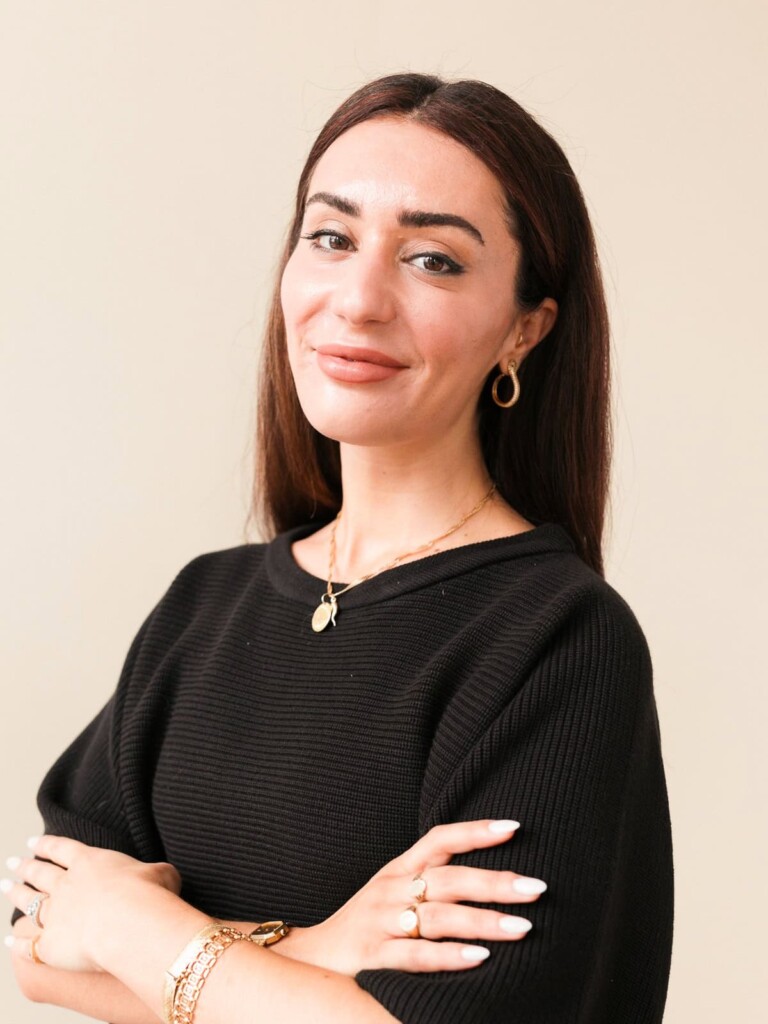
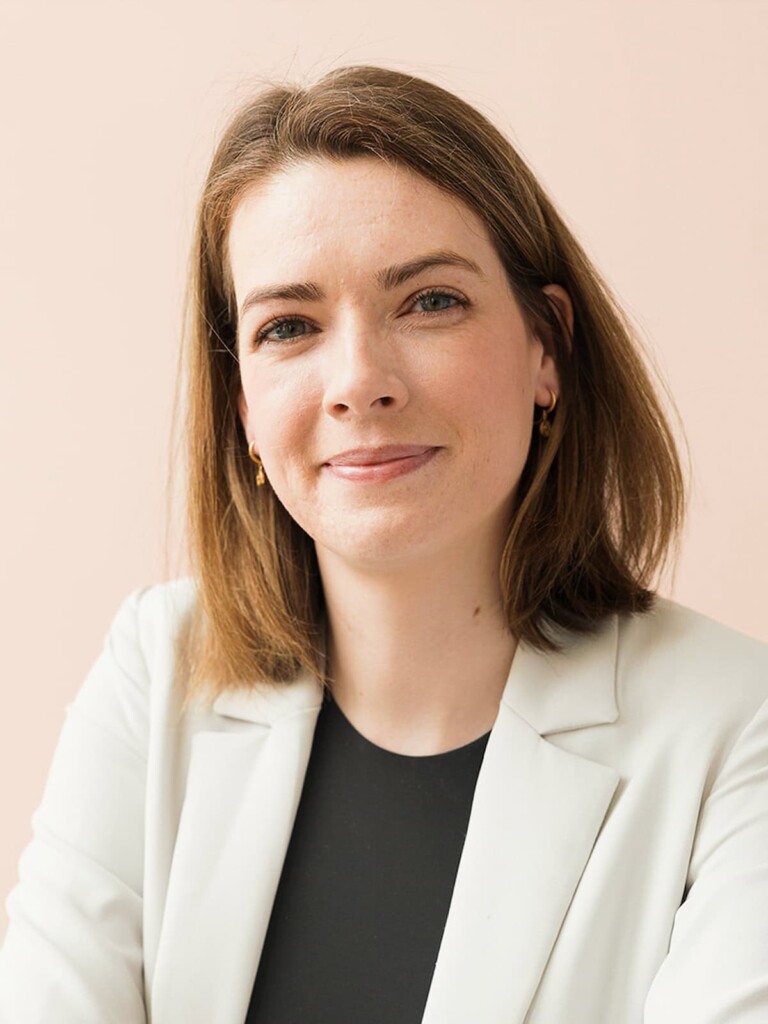
Brett, Celia and Taylor are our certified alcohol and drug counselors. Our team is larger than this and openings change week to week. Reach out and our client coordinator will help you find the right fit.
We are one office, at 700 North Green, and we work online anywhere in Illinois. If you are coming from the West Loop, Wicker Park, River North or Logan Square, each of those has a page with how to get here.

Not sure
Underneath it, there is often something else
Substance use is usually doing a job. Taking the edge off, getting to sleep, making it through the day, making a room easier to be in than it is sober. Depression and anxiety sit underneath it often enough that looking at one without the other rarely holds. Two check-ins, about two minutes each, using the same short screening tools clinicians use. You get a score and a few things worth reading next. No email needed.
Sobriety and support
Being sober is not something to hide
There is nothing shameful about not drinking. The sober community in Chicago is bigger and more visible than it has ever been, and plenty of people arrive here already proud of where they are and simply wanting somewhere to keep doing the work.
We will never make a group a condition of working with us. We also will not pretend the research says nothing, because people who have some kind of recovery community tend to do better than people going it alone. If the religious language in those rooms is what puts you off, secular groups like SMART Recovery exist, and your therapist can help you find one that fits.
Finding your therapist
Expertly matched
therapy, for life
Tell us what is going on. Our Clinical Coordinator connects with you personally and works to match you with the right therapist.
Start hereLicensed therapists
LSW, LCSW, LPC, LCPC and PsyD clinicians.
A person connects with you
Not an automated reply.
A free consult first
So you can tell whether it is right before committing to anything.
What happens next
Getting started
A free consultation. We believe in the power of the therapeutic relationship, and that starts with working with someone who gets you. The consultation is how you find out.
Getting scheduled. We aim to book you within 24 hours of reaching out, and most people are seen that week.
Your first session. You bring what is on your mind. Your therapist takes some history and you set goals together. Your therapist paces it with you.
In-network with



We are in network with all four plans. We check yours before your first session.
FAQs
Questions about addiction therapy
Do I have to want to quit before I start?
No. Plenty of people come in wanting to understand their drinking or their use before deciding anything. Harm reduction means we can work with cutting back, changing how you use, or stopping, and you can change your mind about the goal as you learn more.
Is AA or NA required?
No. We will never make a group a condition of working with us. We also will not pretend the research says nothing, because people who have some kind of recovery community tend to do better than people going it alone. If the religious language in those rooms is what turns you off, SMART Recovery and other secular groups exist and your therapist can help you find one.
What is a CADC?
It stands for Certified Alcohol and Drug Counselor. In Illinois it is issued by the Illinois Certification Board, and it sits on top of a clinical license rather than replacing it. Earning one takes additional training hours specific to substance use, supervised experience in that work, and a national exam. In plain terms it means the person across from you trained in this on purpose, not just in passing.
What happens if I show up to a session under the influence?
Your therapist will not conduct the session, and we will reschedule. That is not a punishment. Therapy only works when you can actually be in it, and holding that boundary protects the work and the relationship.
Can my therapist be my sponsor?
No. A sponsor and a therapist are different roles and mixing them helps neither. For the same reason, your therapist should not be your only support. Part of the work is building a life with more than one place to put weight.
Are you a detox or a treatment program?
No. We are an outpatient practice, which means weekly or twice weekly sessions with your therapist. We are not a medical detox and we are not an intensive outpatient or residential program. If what you are describing needs one of those first, your therapist will say so at the consultation and help you find it. That is not a rejection, it is the right order, and we are here for you afterward. Outpatient therapy works better when it is not being asked to do a job it cannot do.
I have been sober for a while. Is therapy still for me?
Yes, and it is one of the most common reasons people come here. Sobriety takes the substance out of the picture and leaves everything the substance was managing. Adding job stress, family, grief or a hard season on top of that is exactly when support matters.
Do you accept insurance?
MARRA is in network with Blue Cross Blue Shield PPO, Aetna, Cigna and UnitedHealthcare PPO plans. We check your plan for you before your first session.
How long do sessions last?
Fifty five minutes.
Is what I share confidential?
Yes, with the narrow legal exceptions your therapist will walk you through in your first session. Substance use is not something we report.
Where are you?
700 N. Green Street, Suite 106, Chicago, IL 60642, in River West. We also work online anywhere in Illinois.